
 Didem Varol
Maybe you’ve heard about the vegan or plant-based diets and their benefits?
Let’s demystify these terms and see what the science has to say.
What is the difference between a vegan and plant-based diet?
Veganism describes a philosophy of life.
It aims to exclude all forms of exploitation of animals for food,
clothing or other purposes.
For example, someone who is vegan will avoid animal-derived food and avoid cosmetics,
fashion or other products that have been made using animals.
A plant-based diet is one that is either solely or mostly based on plant-based foods.
All vegans are plant-based but not all plant-based eaters are vegan.
The difference in the terms is their purpose.
Vegans avoid animal foods due to ethical reasons,
while people who follow a plant-based diet are usually
motivated by health reasons.
The https://www.forksoverknives.com/ website has created a useful chart that
distinguishes plant-based and vegan diets.
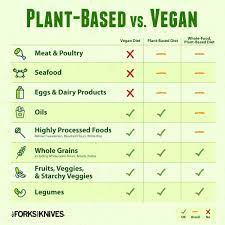
plant-based and the vegan diets
Are vegan or plant-based diets healthy?
Like with many labels, it really depends on what’s behind them.
A vegan diet is not going to be healthy if it’s based on a lot of processed foods,
lacks variety and omits whole food groups such as beans.
A healthy vegan diet is one that is based on whole, plant-based foods,
as shown in the “Power Plate” (image from the https://www.pcrm.org/ ).
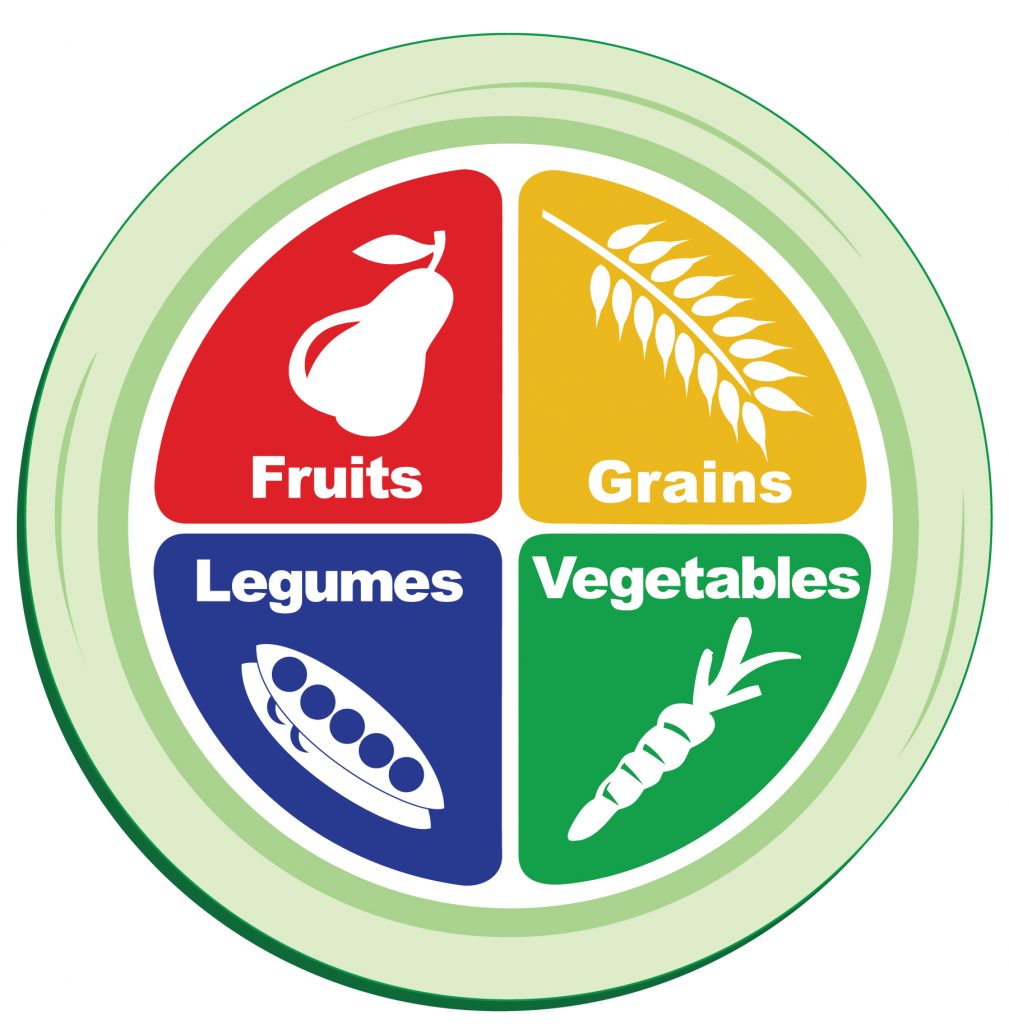
Pattern of eating is ideal for human health
There is over whelming scientific research that a whole food,
plant-based (WFPB) pattern of eating is ideal for human health.
Such a diet is based on vegetables, fruit, whole grains, beans & legumes, nuts & seeds and herbs & spices and
avoids meat, dairy products, eggs and processed foods (of either plant or animal origin).
A processed food is one that has been changed from how it’s found in nature.
Some processing is necessary, but most is excessive and reduces the nutritional quality of food.
For example, we grind wheat into flour to make whole grain breads,
which are great choice.
Now compare that to the endless bounty of pastry products made using white flour and
added fats and sugars – these are highly processed foods.
The main reason chronic diseases such as heart disease,
type 2 diabetes and cancer are at epidemic levels world
wideis because of diet – too much animal-based foods and
processed foods and not enough whole (unrefined), plant-based foods.
A healthy and well-planned plant-based or vegan diet has been recognized by the
American, British and Canadian Dietetic Associations as not only being nutritionally
adequate at all stages of life, but also offering health benefits in the prevention and treatment of certain
diseases.
In fact, poor diets are now responsible for more deaths worldwide than
cigarette smoking, according to a May 2019 study in
The Lancet that looked at data from over 27 years and across 195 countries.
Does it have to be all or nothing?
Vegans are dedicated to following a 100% plant-based diet.
Someone who chooses to go plant-based may decide to follow it
100% of the time or most of the time, it depends on the individual.
The bottom line is this: the more whole, plant-based foods you enjoy on a regular basis, the better for your
health (and waistline!).
For some, the immense potential benefits of whole, plant-based foods are so promising, that they quit all
animal-based and processed foods overnight.
For others, it may take some more stepwise adjustments.
Often, as people learn more about not just the health benefits of this way of eating, but also the environmental
and ethical benefits, it becomes an easy switch.
The most important is that you do what works for you and always strive to improve.
You can also read Easy & Delicious Recipe for Homemade Granola!


 Doç. Dr. Nuri Haksever